
Table of Contents
ToggleIn a world where passwords are as forgettable as last week’s lunch, biometric authentication layers have stepped up to save the day. Imagine unlocking your phone with just a glance or a fingerprint—no more “Did I use ‘password123’ or ‘123password’?” moments. These advanced security measures not only keep your data safe but also add a touch of sci-fi flair to everyday life.
Overview of Biometric Authentication Layers
Biometric authentication layers utilize unique physiological traits for secure access. These layers include fingerprints, facial recognition, iris scans, and voice recognition. Each type relies on distinct characteristics that only individuals can possess, making them highly secure.
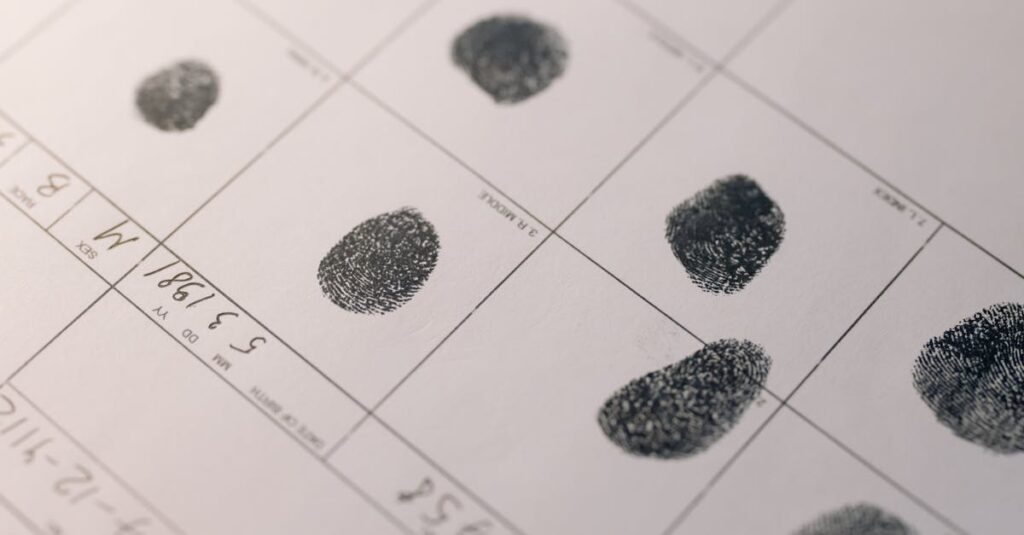
Fingerprint recognition is one of the most widely used forms. Devices unlock quickly by scanning a user’s unique ridge patterns. Facial recognition offers a hands-free option, allowing users to gain access by simply looking at their device.
Iris scans authenticate by analyzing the intricate patterns in the colored part of the eye. Many consider this method among the most secure due to the difficulty of replicating an iris. Voice recognition adds another layer, verifying identity through speech patterns. This method captures vocal nuances that vary from person to person.
The implementation of biometric authentication layers enhances overall security for various applications, including mobile devices and financial transactions. Users experience greater convenience with fewer instances of unauthorized access. The technology continues to evolve, integrating advanced algorithms and machine learning for improved accuracy and reliability.
Security measures focus on user privacy while ensuring seamless interactions. Many organizations adopt biometric systems to safeguard sensitive information and prevent identity theft. As biometric authentication grows, its integration into daily life represents a significant leap towards secure and user-friendly technology.
Types of Biometric Authentication Layers
Numerous biometric authentication layers offer enhanced security through unique physiological traits. Each method has its distinct advantages suited for various applications, contributing to secure user experiences.
Fingerprint Recognition
Fingerprint recognition stands out for its speed and reliability. This method captures the unique patterns of ridges and valleys found on an individual’s fingertips. It’s extensively used in smartphones and laptops for quick access. Security systems have integrated this technology due to its straightforward implementation. Its popularity continues to grow, providing a convenient solution for securing devices and sensitive information.
Facial Recognition
Facial recognition utilizes unique facial features for identification and verification. This technology analyzes various facial landmarks, such as the distance between eyes or jawline contours. Commonly used in smartphones, laptops, and security systems, it allows hands-free access and streamlines user interactions. Organizations benefit from facial recognition, enhancing security measures without compromising user experience. Continuous advancements improve accuracy rates and minimize false positives, making it a reliable option in biometric authentication.
Iris Recognition
Iris recognition offers unparalleled security through the analysis of unique iris patterns. Every individual’s iris possesses distinct characteristics, which remain stable over time. This method is often employed in high-security environments, like governmental buildings or financial institutions. With a low error rate, iris recognition provides a highly secure method of identity verification. Users find this technology appealing due to its quick processing time, requiring just a brief scan for access.
Voice Recognition
Voice recognition identifies individuals based on their unique vocal patterns. This method captures distinct features of a person’s speech, including pitch, tone, and cadence. Utilized in applications such as smart assistants and secure phone access, it enhances convenience for users. The implementation of voice recognition offers a seamless experience while ensuring security. As advancements continue, accuracy and reliability improve, solidifying its role in biometric authentication.
Benefits of Using Biometric Authentication Layers
Biometric authentication layers offer numerous benefits that enhance both security and user convenience. Enhanced security measures serve as a primary advantage, as biometric traits are unique to each individual. Users experience ease of access through quick recognition methods, which saves time compared to traditional password entry methods.
Convenience stands out as another significant benefit, especially with features like facial recognition and fingerprint scanning. Those methods require minimal user interaction, making device access seamless and fast. Privacy is also a critical aspect, as biometric data is less likely to be shared or forgotten than a password, reducing the risk of unauthorized access.
In financial sectors, biometric layers improve transaction security, providing peace of mind to users during sensitive operations. Strong authentication methods like iris scans ensure high security, making them suitable for environments where security is paramount. Voice recognition also plays a role, enabling hands-free assistance and enhancing user experiences.
The user-friendly nature of biometrics encourages increased adoption across various technology platforms. Organizations find that integrating biometric systems into their operations reduces the risk of identity theft. Continuous advancements in biometric technology contribute to improved reliability and accuracy, further solidifying user trust.
Each of these benefits contributes to a growing trend toward more secure, efficient authentication methods. The shift from traditional passwords to biometric layers reflects technological evolution in safeguarding personal information. Users valued for their security will likely see biometric authentication becoming a standard practice in the near future.
Challenges and Limitations
Biometric authentication layers present specific challenges and limitations that must be considered.
Privacy Concerns
Users face significant privacy concerns with biometric data storage. Collecting and storing sensitive information like fingerprints or facial recognition data raises issues regarding unauthorized access and potential misuse. Data breaches can expose this information, leading to identity theft or fraud. Furthermore, individuals often lack control over how their biometric data is used or shared, fueling distrust in biometric systems. Legal frameworks remain inconsistent globally, complicating the establishment of comprehensive privacy protections for biometric data. Organizations must prioritize transparency in data handling practices to alleviate privacy fears and to build user confidence.
Security Vulnerabilities
Despite their advantages, biometric systems aren’t immune to security vulnerabilities. Biometric data can be spoofed or replicated, posing risks to user security. For example, high-quality photos or silicone molds may deceive facial recognition systems, bypassing safeguards. Additionally, unlike passwords that users can change, biometric traits are permanent attributes, creating significant implications if compromised. Centralized databases that store biometric information can become targets for cyberattacks, heightening risks of mass breaches. Thus, organizations must implement robust security measures and continuously enhance their biometric systems to mitigate these vulnerabilities effectively.
Future Trends in Biometric Authentication Layers
Continuous advancements in biometric authentication technology indicate significant future trends. Increased integration of artificial intelligence enhances the accuracy of facial recognition systems. Organizations are developing multi-modal biometric systems that combine multiple traits for added security. Regulations focusing on privacy will shape how biometric data is collected and used.
Emerging technologies like behavioral biometrics analyze patterns in user activities, adding another authentication layer. Adoption of contactless biometric methods grows due to their convenience, especially in public settings. Furthermore, wearable devices increasingly incorporate biometric sensors, providing seamless user experiences while maintaining security.
Users emphasize the importance of transparent data handling practices. Balancing security and privacy emerges as a key concern, prompting developers to adopt ethical standards in biometric implementations. Increased collaboration with regulatory bodies will ensure consumer protections are in place.
The financial sector particularly benefits from the latest biometric trends. Enhanced transaction security through biometric layers will gain traction, reducing risks associated with identity theft. Enhanced machine learning algorithms play a crucial role, improving system adaptability and efficiency over time.
Investments in decentralized storage solutions show promise for protecting biometric data. Organizations are exploring blockchain technology to secure sensitive information against breaches. Users will increasingly favor biometric systems that prioritize user-friendly experiences and reliable performance.
Anticipating future trends in biometric authentication layers involves recognizing that continuous innovation remains essential. As these technologies evolve, they will shape a more secure digital landscape for various applications, from mobile devices to financial services.
Biometric authentication layers are transforming the way individuals secure their personal information. By leveraging unique physiological traits, these methods offer a level of convenience and security that traditional passwords can’t match. As technology advances, the integration of AI and multi-modal systems will only enhance the reliability of biometric solutions.
However, the challenges surrounding privacy and data security must not be overlooked. Organizations need to prioritize ethical practices in data handling to foster user trust. As biometric authentication becomes more prevalent across various sectors, its potential to redefine security protocols and improve user experiences is undeniable. The future of secure access lies in the seamless adoption of these innovative technologies.


