

Imagine a world where your dinner could be prepared by a robot and your milk could last twice as long without any preservatives. Welcome to the realm of food tech innovations, where science meets gastronomy. In a landscape where burgers can be crafted from lab-grown meat and produce is grown in vertical farms, the food industry is undergoing a seismic shift. Does it sound like a futuristic dream? Well, it’s happening right now. So grab your forks because we’re diving into a menu filled with fascinating innovations that not only tantalize our taste buds but also promise a more sustainable future. Bon appétit.
Overview of Food Tech Innovations
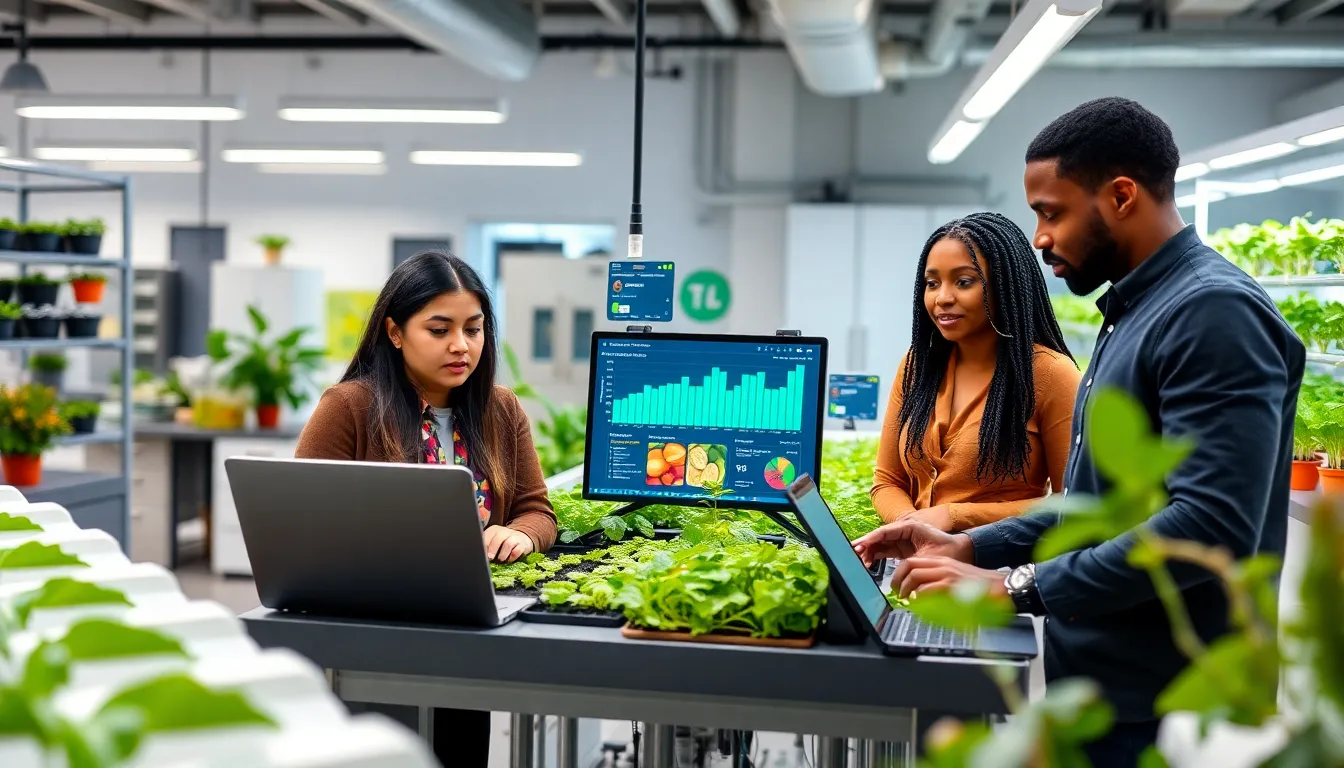
Food tech innovations encompass a wide range of practices and technologies that aim to improve the way food is produced, processed, and consumed. From genetic engineering to robotics in kitchens, these advancements are designed to enhance efficiency, safety, and sustainability. New methods, such as aquaponics and precision agriculture, are reshaping our farms, making them more productive than ever.
Also, food tech doesn’t stop at production. Innovations extend into food distribution and consumer engagement too. Think about apps that help reduce food waste or sensors that monitor the freshness of produce in grocery stores. This transformation is not just about convenience but addresses critical global challenges like food security and environmental resilience.
Impact on Sustainability
The impact of food tech innovations on sustainability cannot be overstressed. One of the most pressing challenges facing the planet is the environmental degradation caused by traditional agriculture. Food tech innovations seek to mitigate this by promoting sustainable farming practices. For instance, vertical farming minimizes land use while maximizing yield. This means that instead of sprawling fields, fresh greens can be cultivated in urban settings.
Also, lab-grown meat and plant-based protein alternatives significantly reduce the carbon footprint associated with livestock farming. They use fewer resources like water and energy, making them a more sustainable choice. These innovations not only lower greenhouse gas emissions but also help in conserving precious resources. The goal is clear: to create a food system that can nourish a growing population without compromising the health of our planet.
Emerging Technologies in Food Production
Emerging technologies are paving the way for revolutionary changes in food production. One standout is the use of biotechnology to enhance crop resilience and nutritional value. Genetic modifications allow scientists to create varieties that withstand pests, droughts, and diseases, ensuring food stability regardless of climate conditions.
Besides, automation in food processing is on the rise. Robotics and artificial intelligence (AI) are being employed to streamline operations, from sorting produce to packaging. This not only speeds up production but also reduces human error and enhances food safety. Drones, equipped with advanced sensors, are becoming common on farms, using data analytics to monitor crop health and improve yields. This blend of technology and agriculture is ushering in a new age of food production that is efficient, reliable, and sustainable.
Applications of Artificial Intelligence in Food Tech
Artificial intelligence is making waves across various sectors, and food tech is no exception. AI algorithms can analyze vast amounts of data to forecast food trends, streamline supply chains, and enhance customer experiences. For example, predictive analytics can help predict which foods will be in demand, allowing producers to adjust inventories accordingly.
Also, AI is revolutionizing food safety. With machine learning systems that monitor food processing environments, it is easier to spot anomalies that could indicate contamination or spoilage, thereby preventing crises before they arise. Also, personalized nutrition apps are leveraging AI to create diet plans based on individual health data. All these applications point toward a future where technology is deeply embedded in our food systems, enhancing quality and safety.
Consumer Trends and Behavioral Changes
As food tech innovations rise, consumer behavior is evolving alongside them. More people are becoming aware of the environmental impact of their food choices and are actively seeking sustainable options. This shift is reflected in the growing popularity of plant-based diets and organic foods.
Also, transparency has become paramount. Consumers want to know where their food comes from, how it is produced, and what it contains. This desire for transparency has led companies to adopt blockchain technology to provide traceability. Not only do consumers feel more empowered with this knowledge, but it also drives brands to maintain higher standards.
Besides, the convenience offered by food tech innovations, such as meal kit delivery services and food delivery apps, is changing the way people eat. These services not only cater to busy lifestyles but also introduce consumers to new cooking techniques and recipes, enhancing their culinary experiences.
Challenges and Considerations
Even though the promising landscape of food tech innovations, several challenges loom large. One significant hurdle is the regulatory environment. Establishing standards for new technologies, especially in genetically modified organisms (GMOs) and lab-grown meat, is crucial for ensuring safety and public acceptance. Governments and regulatory bodies must navigate the complexities of innovation while safeguarding consumer health.
Also, the reliance on technology raises concerns about jobs in traditional agricultural sectors. While automation guarantees efficiency, it can also lead to job losses for those who may not have the skills required to adapt to new positions in tech-driven environments. Education and retraining programs will be essential to cushion this transition.
Finally, ethical concerns about food production practices also come into play. The implications of biotechnology on biodiversity and the long-term effects of consuming engineered foods need rigorous investigation. While the potential benefits are vast, thoughtful consideration of these aspects is crucial.


