
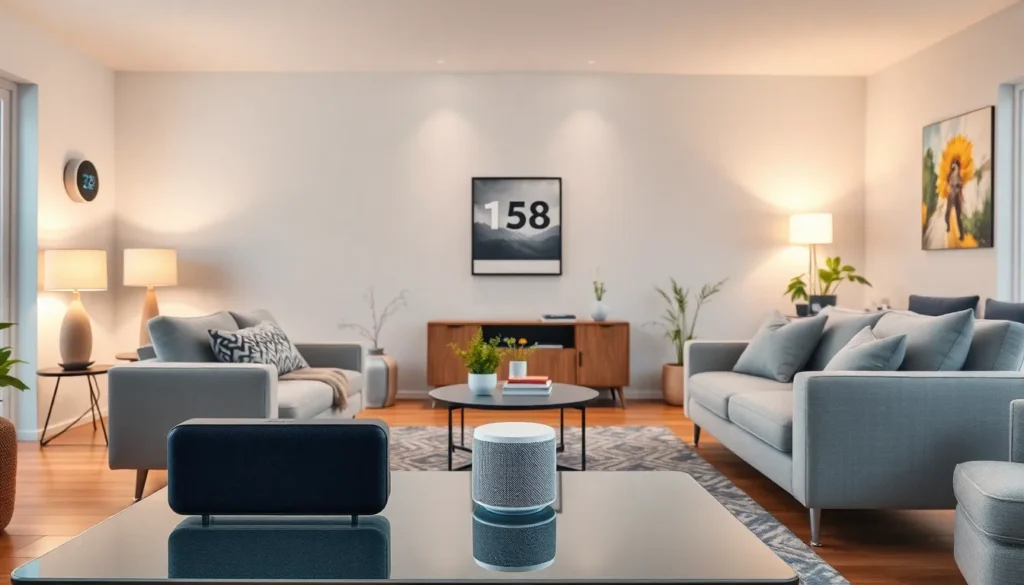
Imagine walking into your home and having the lights automatically dim, your favorite playlist start playing, and the thermostat adjusting to the perfect temperature—all without lifting a finger. Sounds like magic, right? Welcome to the world of smart home devices where technology transforms everyday living into a seamless experience.
These gadgets aren’t just for tech enthusiasts; they’re for anyone who wants to make life a little easier (and a lot cooler). From smart speakers that can tell you the weather to robotic vacuums that tackle dust bunnies while you binge-watch your favorite series, smart home devices bring convenience and fun. So, buckle up and get ready to explore how these innovative tools can elevate your home life and maybe even give you a little more time to kick back and relax.
Overview of Smart Home Devices
Smart home devices encompass a wide range of technology that transforms a regular home into an automated environment. They enable users to control various aspects of their living spaces remotely or through automated systems, creating convenience and efficiency. Popular categories of smart home devices include smart speakers, thermostats, lighting systems, security cameras, and appliances.
Smart speakers function as control hubs, allowing voice commands to manage other devices. Individuals often utilize these speakers to play music, set reminders, or ask questions. Moreover, smart thermostats optimize energy usage by learning preferences and adjusting temperatures accordingly. This feature often results in reduced utility bills.
Security cameras provide enhanced safety. With features like motion detection and real-time alerts, users gain peace of mind from monitoring their homes remotely. Additionally, smart lighting systems allow for custom lighting scenes, schedule-based operations, and energy efficiency. Homeowners can adjust the brightness or color of lights to create optimal ambiance.
Appliances also fall under the smart home category. Smart refrigerators and ovens can be programmed for efficiency, saving both time and energy. These devices can alert users about inventory levels, cooking times, or maintenance needs.
Integration remains a key advantage of smart home devices. Many systems work seamlessly together, allowing for cohesive management through apps or voice assistants. The IoT (Internet of Things) framework facilitates this connectivity, enhancing user experience.
Ultimately, smart home devices simplify daily routines and contribute to a more enjoyable living environment. Their innovative capabilities appeal to a broad audience, making these technologies accessible for enhancing everyday life.
Benefits of Smart Home Devices
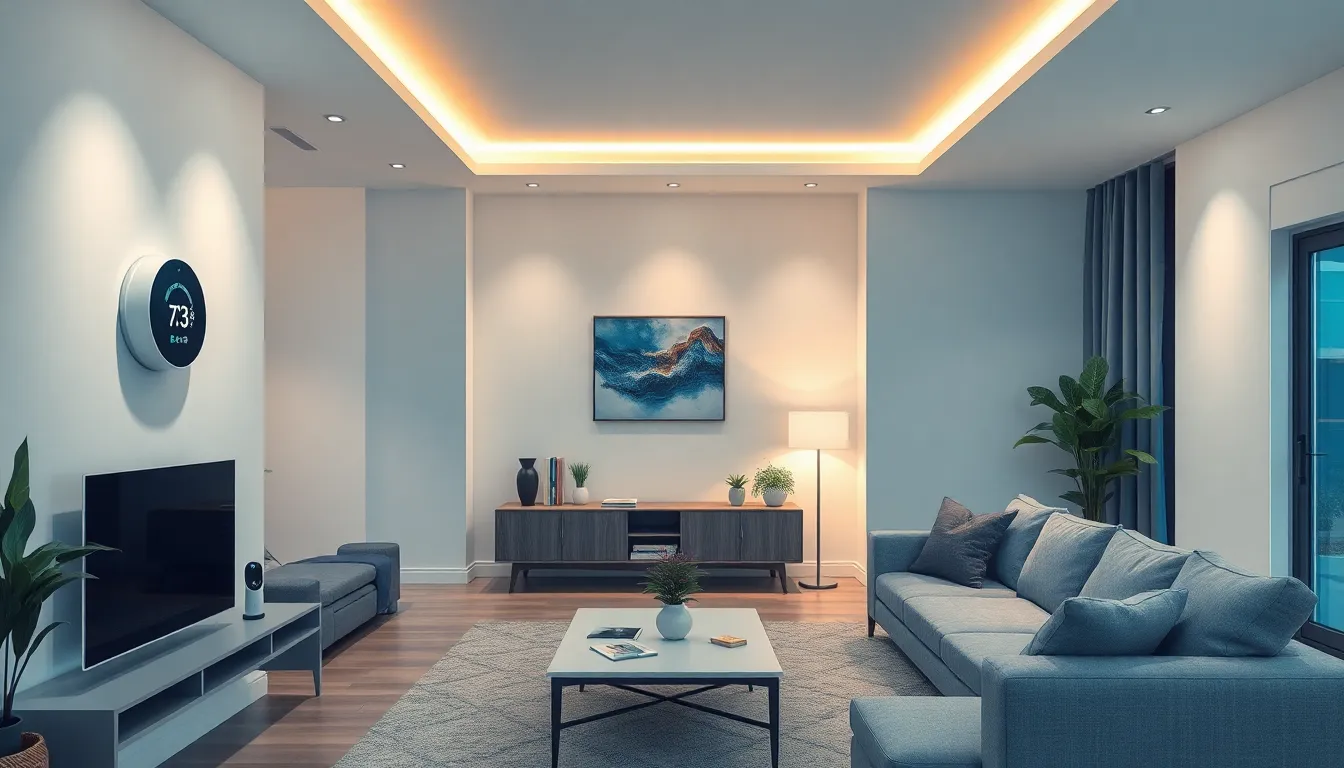
Smart home devices offer numerous benefits that enhance daily living. Two notable advantages include enhanced security features and energy efficiency.
Enhanced Security Features
Smart home devices provide improved security for homes. Security cameras enable real-time monitoring, allowing users to check their property remotely. Motion detectors trigger alerts, notifying homeowners of unexpected movements. Smart locks ensure only authorized individuals access the home, often with customizable codes or remote control options. Integrating these devices into a cohesive system enhances safety, as users can manage everything through a single interface. Enhanced lighting, activated by motion sensors, deters potential intruders and increases visibility outside the home. Overall, smart home technology significantly contributes to a safer living environment.
Energy Efficiency
Energy efficiency represents another significant benefit of smart home devices. Smart thermostats optimize heating and cooling, adjusting settings based on occupancy and preferences to reduce energy consumption. Users can monitor energy usage in real-time, leading to informed decisions about their consumption patterns. Smart lighting systems support energy-saving features such as automation and scheduling to avoid excessive usage. Appliances equipped with smart technology provide alerts for optimal operation times, ensuring minimal energy waste. This technology not only lowers utility bills but also promotes environmentally friendly practices.
Popular Smart Home Devices
Smart home devices offer convenience and control over everyday tasks. Users can experience comfort, security, and energy savings with these innovative solutions.
Smart Speakers
Smart speakers function as central control hubs in a smart home. They respond to voice commands, playing music and managing other devices seamlessly. Popular options include Amazon Echo and Google Nest, which integrate with various apps and services. These devices enable users to ask questions and receive instant answers, enhancing daily interactions. Additionally, smart speakers can create routines, automating activities such as adjusting lights or setting alarms effortlessly. Overall, their versatility makes them pivotal components of many smart homes.
Smart Thermostats
Smart thermostats adjust home temperatures based on user preferences and occupancy patterns. They learn schedules, ensuring energy conservation when homes are unoccupied. Products like the Nest Learning Thermostat and Ecobee SmartThermostat optimize heating and cooling successfully, resulting in lower utility bills. Users can access temperature settings remotely through apps on their smartphones. This flexibility allows for adjustments based on real-time conditions, contributing to a more comfortable living environment. Prioritizing energy efficiency, smart thermostats play a vital role in modern home technology.
Smart Lighting
Smart lighting enhances atmosphere and efficiency in living spaces. These systems offer customizable options, allowing users to change brightness and colors based on their mood or activity. Brands like Philips Hue and LIFX provide intuitive controls via app integration or voice commands. Users can schedule lighting to align with their daily routines, promoting energy savings and convenience. Integration with smart home ecosystems lets homeowners automate lighting alongside other connected devices. Flexibility and control elevate smart lighting as a key feature in many residences.
Considerations When Choosing Smart Home Devices
Selecting the right smart home devices involves several key factors. Compatibility, user-friendliness, and data privacy play essential roles in the decision-making process.
Compatibility with Existing Systems
Compatibility with existing systems ensures seamless integration. Most devices work best within their specific ecosystems, such as Apple HomeKit, Google Assistant, or Amazon Alexa. He or she should verify that new devices can interact smoothly with current equipment. For instance, smart bulbs might require a hub that supports a specific brand, while smart cameras may need particular apps for operation. Understanding compatibility enhances the overall user experience, reducing frustrations during setup and daily use. Choosing devices that fit within a chosen ecosystem promotes smoother functionality and greater convenience.
User-Friendliness
User-friendliness significantly impacts the enjoyment of smart home devices. Many devices come with intuitive interfaces, which simplify navigation and operation. He or she should look for devices that offer straightforward installation processes and clear setup instructions. Smart apps play a crucial role in this; a well-designed app contributes to effortless control of various features. Voice control options enhance accessibility as well, making daily tasks more manageable. Assessing user-friendliness beforehand leads to a more satisfying experience and encourages regular use of smart home technology.
Smart home devices are transforming how people interact with their living spaces. By automating everyday tasks and enhancing security, these technologies create a more comfortable and efficient home environment. They cater to a broad audience, making modern living accessible to everyone.
As individuals embrace these innovations, they discover a new level of convenience and peace of mind. The integration of various devices fosters a seamless experience that not only saves time but also promotes energy efficiency. With the right choices, smart home technology can significantly enhance daily life, making homes safer and more enjoyable.


